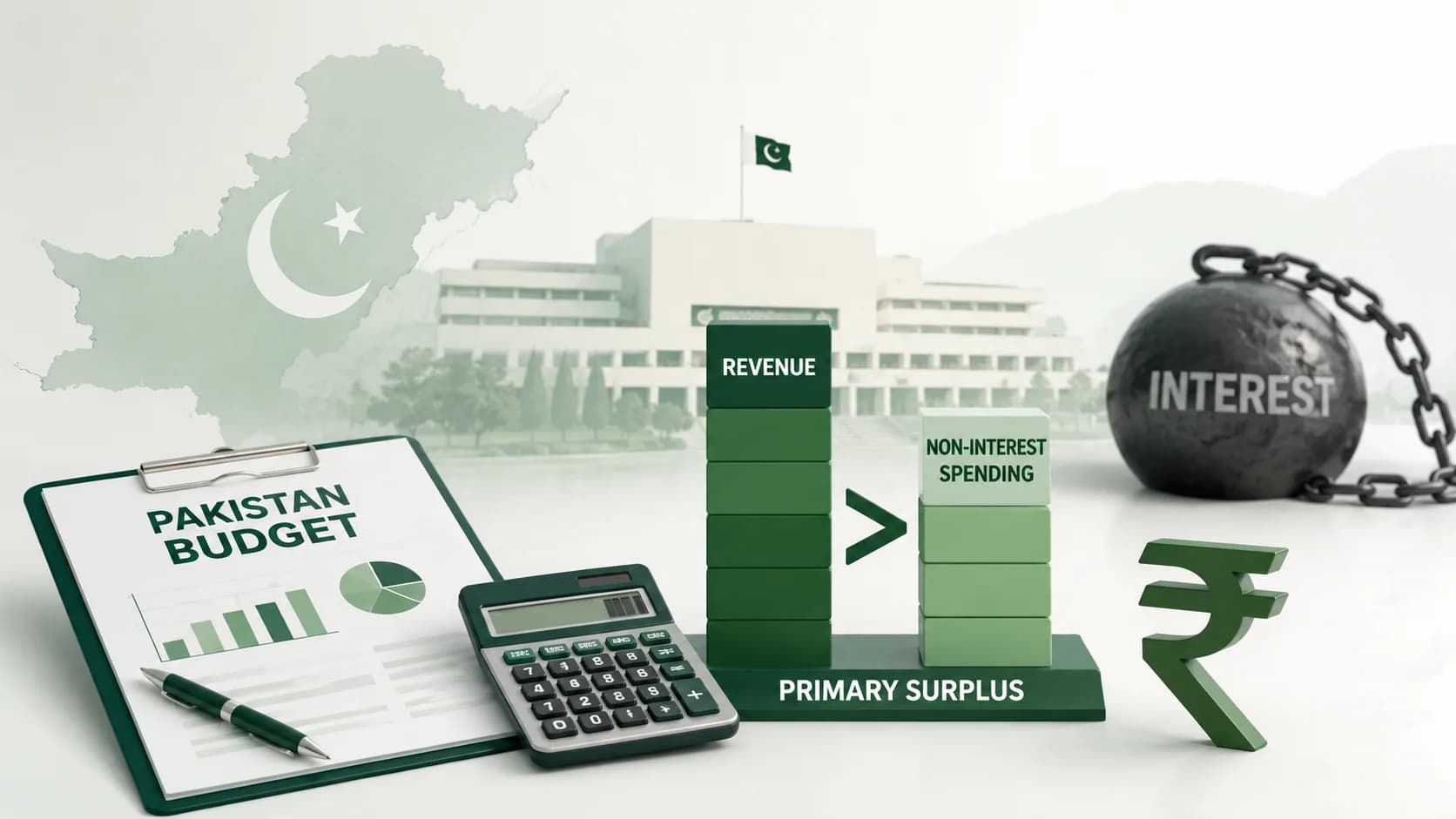
Structural design: only foreign-source dollars accepted, real FX assets back FX liabilities
By Asad Baig · Lahore · May 2026 · Approx. 4-min read
The short answer
The Productive Capital Account cannot create a 1998-style liability mismatch because it accepts only foreign-source dollars at the deposit point. PERA 1992 allowed unlimited PKR-to-USD conversion, creating USD bookkeeping liabilities backed by PKR convertible balances; when actual USD demand spiked in May 1998, the SBP did not have the dollars and the only response was the freeze. The PCA structure ensures that FX assets match FX liabilities by design, because the dollars in PCA accounts arrived as dollars from foreign payers and remain as dollars. There is no mechanism by which a panic event could produce a 1998-style freeze.
This is a Tier 3 long-tail spoke under the five FATF-compliant safeguards of the Productive Capital Account.
PERA → PCA: the structural difference
What Killed Pera → How Pca Prevents It
PERA failure | PCA prevention |
|---|---|
Unlimited PKR→USD | Only foreign-source USD |
conversion | accepted |
USD liabilities not backed | Real FX assets back FX |
by hard currency | liabilities |
No source verification | Mandatory verification per deposit |
Liability mismatch w/ | No mismatch possible by |
reserves | structural design |
The PCA holdings are real foreign currency that arrived as foreign currency. The bank's internal Asset-Liability Management ensures FX assets match FX liabilities. No panic event can produce a freeze because there is no mismatch to expose.
Frequently asked questions
Why did PERA 1992 collapse in 1998? PERA allowed unlimited PKR-to-USD conversion at the deposit point. By May 1998, $11.16 billion in FCY accounts existed but the SBP had only ~$1.3 billion in actual hard currency reserves. When demand for actual USD spiked after India's nuclear tests, the only response was the freeze.
How does the PCA prevent this? By accepting only foreign-source dollars at the deposit point. There is no PKR-to-USD conversion at deposit. Every USD liability in a PCA account is backed by a real USD asset that arrived as USD. No mismatch can develop.
Could a panic event still cause withdrawals from PCA accounts? Yes, withdrawals can occur, but they would not exceed actual FX assets. Each PCA holder can withdraw up to their balance, and the bank has the matching foreign currency to honor every withdrawal. The framework is structurally solvent.
What if foreign payers stop sending dollars during a crisis? That would slow new inflows but not affect existing balances. PCA holders' existing balances are backed by FX assets the bank already holds. Stopping new inflows does not create a mismatch on existing positions.
Does the PCA require additional reserves backing? Yes. Banks holding PCA accounts must maintain matching FX positions. The Asset-Liability Management framework requires FX liability to be matched by FX asset. This is standard banking practice for foreign currency operations and is the structural difference from PERA's PKR-backed approach.
Could a future government still freeze PCA accounts? Politically, any government can take any action. But the PCA's structural design removes the economic pressure that produced 1998. There is no liability mismatch to force the choice. The freeze in 1998 happened because the alternatives (default, freeze, IMF emergency) all had costs and the freeze was politically cheapest. Under the PCA, the structural alternative does not require a freeze.
Sources
Position Paper: The Foreign Currency Account Problem in Pakistan, May 2026
Protection of Economic Reforms Act 1992
State Bank of Pakistan Annual Reports 1990-1999
Court records and contemporaneous analyses of the 1998 freeze


 ISN MEDIA