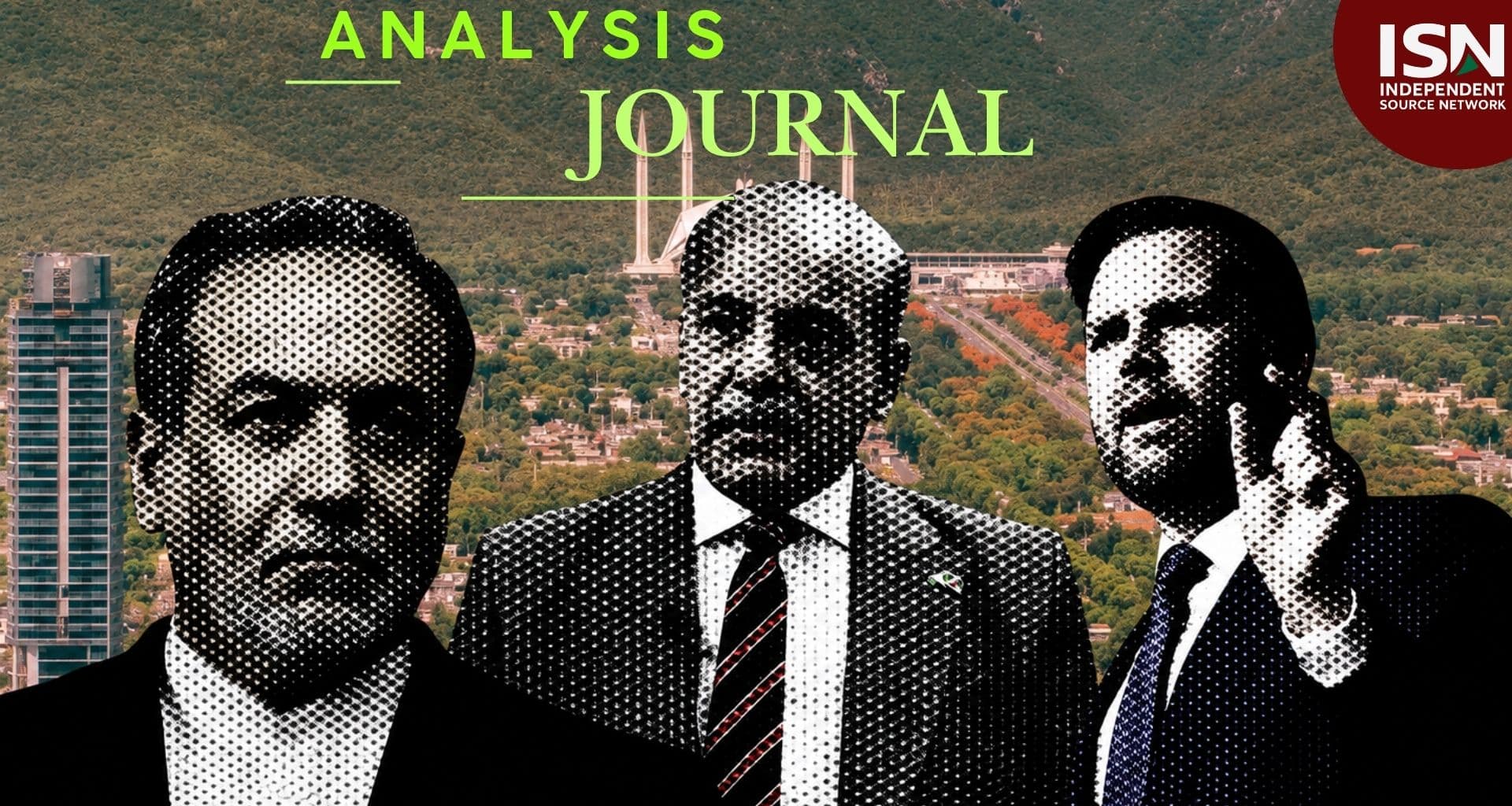
TEHRAN – Massive fires and a dark haze have enveloped parts of the Iranian capital after US and Israeli forces struck several oil storage facilities, marking a significant escalation on the ninth day of the conflict The attacks on critical energy infrastructure killed at least four oil company employees and signaled a new phase in a war that Iranian officials say has now killed over 1,300 civilians
The war began on Saturday, February 29, with an attack that killed Iran's Supreme Leader Ayatollah Ali Khamenei Since then, a joint US-Israeli air campaign has targeted military and strategic sites across the country US Defense Secretary Pete Hegseth said the campaign was “accelerating” and that the bombardment was “about to surge dramatically,” with US officials claiming to have already neutralized Iran's air force and its naval presence in the Gulf
The humanitarian toll continues to mount. Iran’s envoy to the United Nations, Amir Saeid Iravani, stated on Friday that at least 1,332 civilians had been killed in the strikes Testimonies from Iranians fleeing the country describe widespread terror amid daily bombing In Tehran, residents have reportedly flocked to blood donation centres in response to growing medical needs and fears of shortages
The conflict has metastasized into a regional conflagration. Heavy Israeli strikes on Lebanon have been ongoing, with casualty reports indicating the death toll there has reached at least 217 Iran has launched retaliatory missile and drone attacks on Israel and US bases in the region, with Gulf states including Saudi Arabia and Qatar reporting interceptions US President Donald Trump has ruled out a diplomatic resolution for now, demanding Iran’s “unconditional surrender”


 Yasir Rai