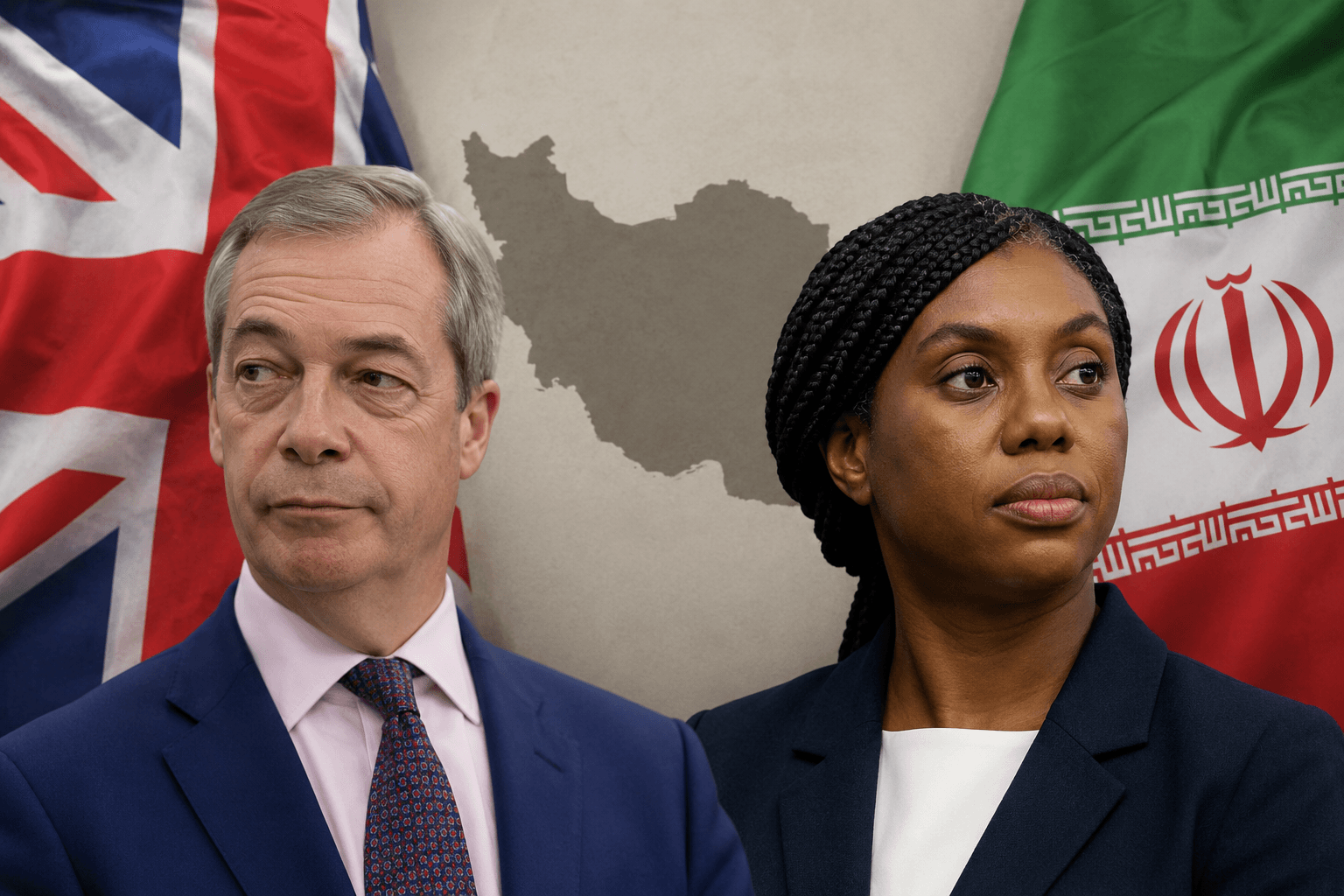
Reports suggest two prominent UK political figures, Nigel Farage and Kemi Badenoch, have reversed their public positions regarding a potential military conflict involving Iran The specific details of this alleged 'U-turn' on Iran policy have not been confirmed, but the development itself indicates a potentially significant shift in the UK's political landscape concerning Middle East security As a key US ally and a permanent member of the UN Security Council, any change in the UK's foreign policy consensus carries strategic implications. Such reversals from influential political voices can signal to allies and adversaries, including Iran, a possible lack of domestic unity on military intervention. This may reflect a deeper debate within the UK's political establishment about the strategic risks, potential costs, and military readiness for another major engagement in the region. The reported Farage Iran U-turn and Badenoch Iran U-turn could influence diplomatic negotiations and the strategic calculations of other global powers monitoring the situation. While the motivations behind the reported shifts remain unclear, they underscore the volatility of foreign policy debates within Western nations when faced with escalating international crises. The situation highlights how domestic political dynamics can shape a nation's response to emerging global security threats and impact broader geopolitical stability.
Advertisement
UK political figures Farage and Badenoch reportedly shift stance on Iran
Reports suggest two prominent UK political figures, Nigel Farage and Kemi Badenoch, have reversed their public positions regarding a potential military conflict involving Iran The specific details of



Read Next
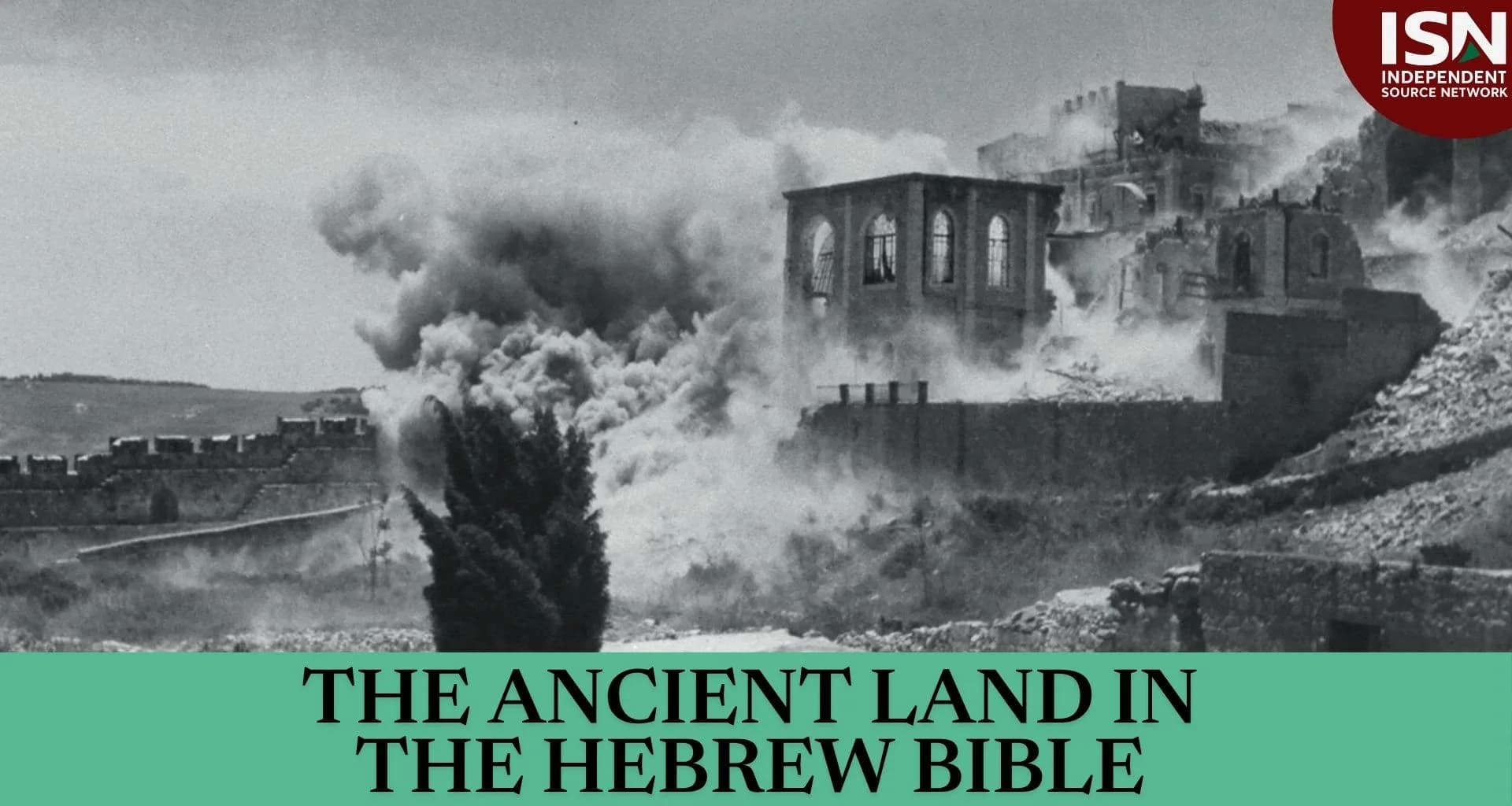
Palestine: From Ancient Scripture to Modern Statehood
The story of Palestine stretches from the Abrahamic covenant in Genesis, through the sixty-seven words of the 1917 Balfour Declaration that promised a Jewish national home in a land overwhelmingly inhabited by Arabs, to the 1988 proclamation of statehood by Yasser Arafat in Algiers, and on to the historic moment in September 2025 when G7 nations — France, the UK, and Canada — recognized Palestinian statehood for the first time. Today, 157 of 193 UN member states recognize the State of Palestine, yet nearly six million Palestinians still live without full sovereignty over their claimed territories. This is the complete factual account — ancient scripture, colonial diplomacy, international law, and the human reality on the ground.
 Yasir Rai
Advertisement
More in World
View all →