The informal money transfer system that may add 30 to 50 percent on top of Pakistan's official $38.5 billion
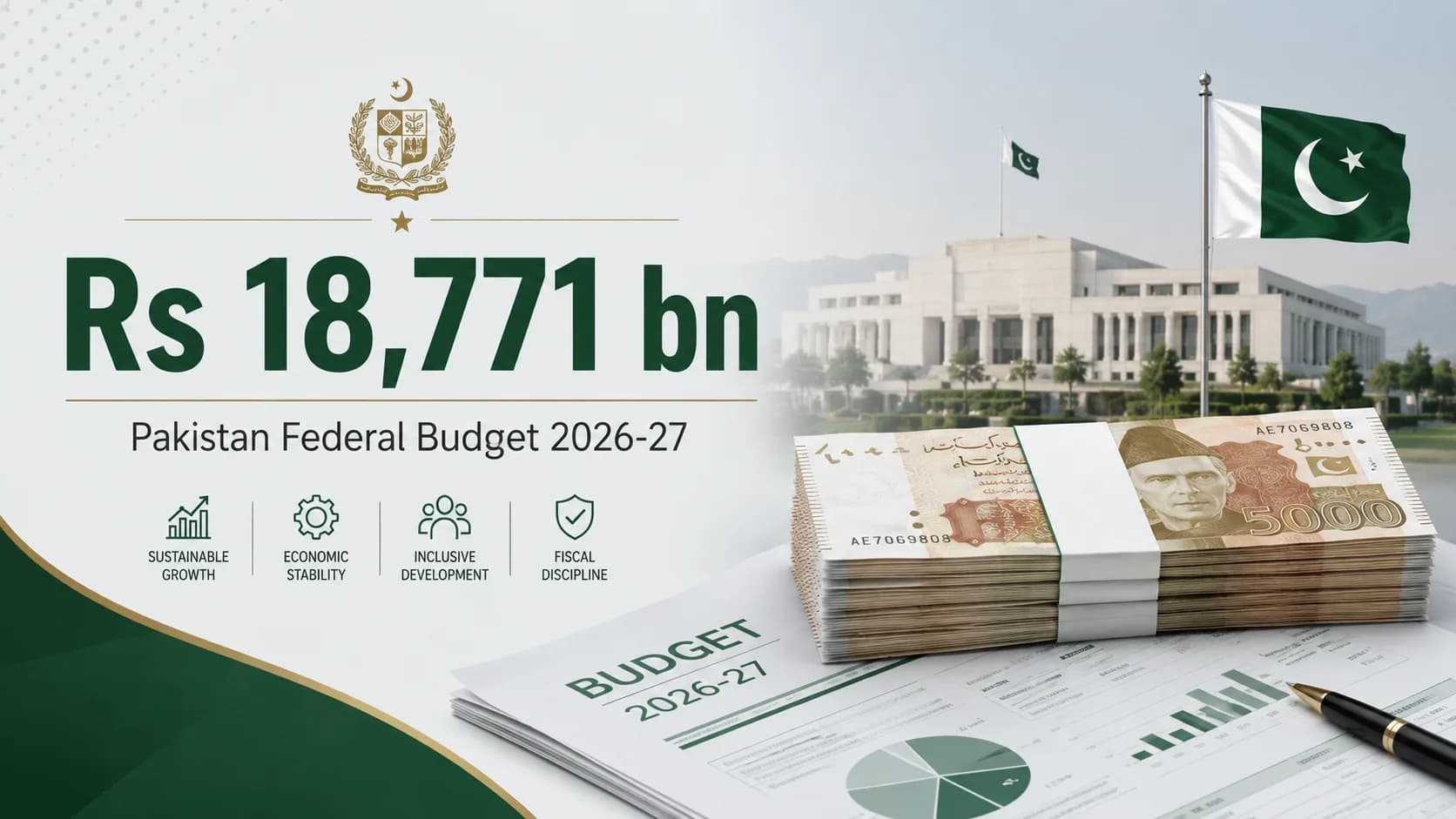
Pakistan's official remittance figure is $38.5 billion. The IMF and World Bank estimate that informal hawala flows could add 30 to 50 percent on top of that , meaning the actual real flow may be $50 to $60 billion, with $15 to $20 billion never showing up in State Bank data.
This piece sits inside the Why Pakistan's Remittance Economy Is a Development Trap cluster, under the broader Pakistan Brain Drain: The Graveyard of Remittancers pillar.
What is hawala?
Hawala is an informal money-transfer system that operates outside the regulated banking sector. It is centuries old, originated in South Asian and Middle Eastern trade networks, and continues to operate in parallel with formal banking across Pakistan, India, the Gulf, East Africa, and the diaspora.
The mechanism is simple. A Pakistani worker in Dubai walks into a hawaladar (hawala broker). He hands over $1,000 cash. The hawaladar in Dubai sends a coded message , phone, WhatsApp, encrypted app , to a counterpart in Karachi. The Karachi hawaladar pays the equivalent in Pakistani rupees to the worker's family, often within hours.
No money crosses borders. The Dubai and Karachi hawaladars settle their net positions later through trade, gold movements, or other hawala accounts. The transaction is fast, cheap, requires no paperwork, and leaves almost no audit trail.
Why hawala is so popular among Pakistani workers
Hawala dominates because the formal alternatives are worse on every dimension Pakistani workers care about.
1. Better exchange rates. Hawala rates often beat the State Bank's official rate by 2 to 5 percent. On a $1,000 transfer, that is $20 to $50 , meaningful for a worker earning $1,400/month.
2. Lower fees. Formal channels charge 5 to 12 percent in transfer fees. Hawala typically charges 1 to 2 percent.
3. Faster delivery. Hawala can deliver same-day. Banks often take 2 to 5 working days.
4. No paperwork. Workers without bank accounts, formal address verification, or legal residency status (an issue for some kafala workers whose papers are with employers) can still send money home.
5. Door-to-door delivery. Hawaladars in Pakistani villages will physically deliver cash to the recipient's home. Bank branches are often hours of travel away.
For a Pakistani electrician in Riyadh sending money to his family in a village outside Mardan, hawala is faster, cheaper, and more reliable than any formal alternative.
Why the State Bank cannot see it
Formal remittances flow through banks and money transfer operators (MTOs) that report every transaction to the State Bank. Hawala operates entirely outside this system. The dollars never enter the Pakistani banking system. The hawaladar's net settlement is invisible to regulators.
The IMF's 2010 "Migration and Remittances Fact Book" stated directly: "Total remittances could be as much as 50 percent higher than the official record." For Pakistan that means the gap between published and real remittance flows is one of the largest single uncertainties in the country's macroeconomic accounts.
If the official figure is $38.5 billion, the actual flow may be $50 to $60 billion. $15 to $20 billion of Pakistan's remittance economy is invisible to its own central bank.
What hawala dollars do once they arrive
The single biggest destination for hawala flows is real estate. Cash-friendly, no banking documentation needed, deniable. A diaspora investor or hawaladar can buy a 10-marla in DHA Lahore with a stack of rupees that the bank never sees.
This is part of why Pakistan's housing affordability is so brutal. Hawala money is not just supplementing the formal flow , it is concentrating in the asset class least useful for development. I have written the longer explainer at Why DHA and Bahria Town Are Inflating Pakistan's Housing Market.
Hawala flows also fund:
- Cash-driven gold and jewellery purchases (a major Pakistani store of value)
- Informal business capital (especially trading and import operations)
- Charitable and religious payments (zakat, mosque construction, madrasa funding)
- Some illicit and grey-market activity (which gets the headline coverage but is a small share of total flow)
Why the State Bank tolerates it
Periodic State Bank crackdowns on hawala happen , Pakistan has tightened rules in 2008-2010, 2018-2019, and intermittently in response to FATF (Financial Action Task Force) pressure. But sustained enforcement has been weak.
The reasons are pragmatic. Hawala provides:
- A rupee-supply mechanism the formal system cannot match in remote areas
- A safety valve for FX shortages , when the State Bank runs low on dollars, hawala fills the gap for traders
- A documented part of the political economy that the central bank does not have the enforcement bandwidth to dismantle
Periodic political pressure from Islamabad to crack down typically dissipates within months. The structural conditions that make hawala useful do not change.
What it would take to bring it onto the books
Pakistan does not lack ideas. Bringing hawala onto the books would require:
- Formal remittance fee subsidies (so banks compete with hawala on cost)
- Better exchange rate parity between formal and informal markets
- Mobile-first remittance apps with door-step rupee delivery (which Roshan Digital Account partially attempts)
- Stronger anti-money-laundering enforcement at the destination end
The Roshan Digital Account, launched in 2020, was supposed to be the formal alternative. Adoption has been limited. The structural advantages of hawala remain.
In closing
Hawala is not the cause of Pakistan's remittance trap. It is a symptom of how badly the formal system has served migrant workers and their families. The cure is not more enforcement. The cure is making the formal system actually competitive on cost, speed, and convenience.
Until that happens, $15 to $20 billion a year will keep flowing through the informal network , invisible to the State Bank, available to inflate property prices, and unavailable to fund Pakistan's exchange reserves or productive industry.
The remittance number is not the only number that matters. The number underneath the number matters too.
, Asad Baig
Frequently asked questions
What is hawala? Hawala is an informal money-transfer system that operates outside the regulated banking sector. It uses a network of brokers (hawaladars) to deliver value across borders without the money physically crossing borders, settling net positions later through trade or other accounts.
How much Pakistani remittance flows through hawala? The IMF and World Bank estimate that informal hawala flows could add 30 to 50 percent on top of the formal figure. For Pakistan's $38.5 billion official figure, that suggests $15 to $20 billion in hawala flows annually.
Why do Pakistani workers prefer hawala over banks? Better exchange rates (2-5 percent above State Bank rate), lower fees (1-2 percent vs 5-12 percent for formal channels), faster delivery (same-day vs 2-5 days), no paperwork required, and door-to-door cash delivery in villages where bank branches are hours away.
Is hawala illegal in Pakistan? Hawala is regulated under Pakistan's Foreign Exchange Regulation Act and is generally considered illegal when used for unauthorised money transfer. Enforcement is weak and intermittent. Periodic FATF-driven crackdowns have not dismantled the system.
Where do hawala dollars end up? Primarily in real estate (cash-friendly, no banking trail), gold and jewellery, informal business capital, and charitable and religious payments. The real estate destination is part of why DHA and Bahria Town prices have detached from local salaries.
Sources and notes
- World Bank , "Migration and Remittances Fact Book," 2010 and updates
- International Monetary Fund , Working papers on informal transfer systems
- UNDP , "Towards Human Resilience: Sustaining MDG Progress," 2011
- Financial Action Task Force (FATF) , Pakistan country reports
- State Bank of Pakistan , Roshan Digital Account documentation
- Centre for Land Warfare Studies , "Pakistan's military economy," August 2025
Related reading
Pillar: Pakistan Brain Drain: The Graveyard of Remittancers Parent cluster: Why Pakistan's Remittance Economy Is a Development Trap
Sibling spokes:
- How Much Does Pakistan Receive in Remittances Each Year
- Where Does Pakistani Remittance Money Actually Go
- Why DHA and Bahria Town Are Inflating Pakistan's Housing Market
Other pillars:
- The Human Cost of Pakistan's Brain Drain
- Why Pakistani Workers Earn Less Than Indians in the Gulf
- The Real Brain Gain Plan
Thank you for reading.
, Asad Baig


 ISN MEDIA