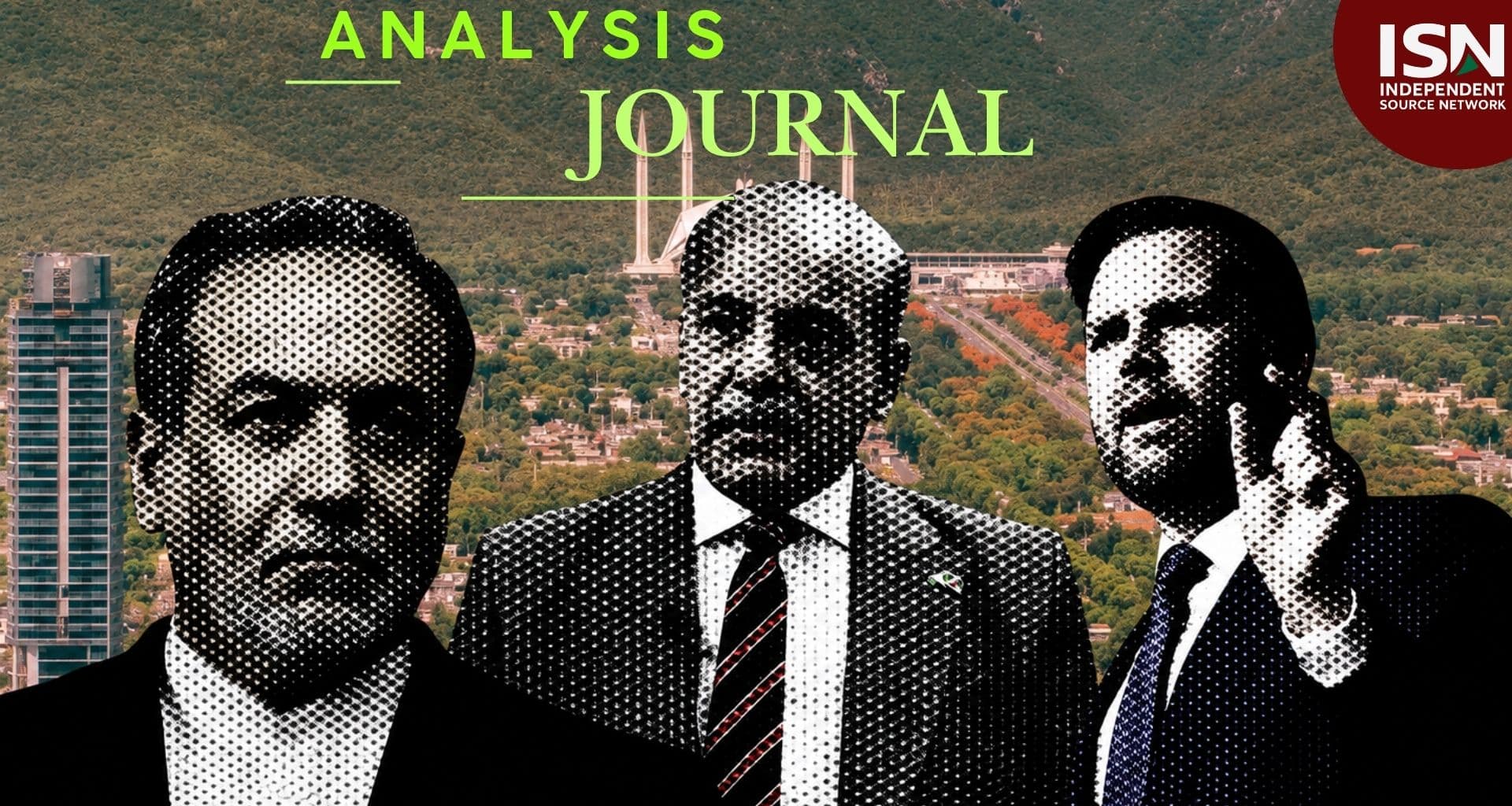
Israeli forces struck military and research facilities in Tehran and other parts of Iran on Friday as the conflict between Israel and Iran entered its eighth day. Iran responded with missile and drone strikes targeting Israel, while fighting also intensified in Lebanon, where Israeli forces continued bombing Beirut's southern suburbs in operations against Hezbollah.
Israel said its military struck dozens of targets in Iran overnight into Friday, including Tehran's Organisation of Defensive Innovation and Research, which Israel claims is linked to Iran's alleged nuclear weapons development. The strikes also hit missile production sites and military facilities in western and central Iran, according to the Israel Defense Forces. Israeli Defence Minister Israel Katz stated he had instructed the military to intensify attacks on symbols of the Iranian regime in Tehran.
An Iranian nuclear scientist was killed in the strike on the research facility, according to Israeli media reports. Iran's health ministry also reported that a third hospital in Tehran had been struck by Israeli bombs, with at least five people injured in a separate strike on a residential building in the capital.
Iran's Revolutionary Guard announced it had launched long-range and ultra-heavy missiles against Israeli military sites, defence industries, and command and control centres. Air defence systems in Israel were engaged in intercepting incoming projectiles throughout the day.
Israeli forces also carried out strikes in Lebanon throughout Thursday night and into Friday. According to Haaretz, the IDF bombed Beirut's southern suburbs, targeting sites it said were linked to Hezbollah. The Lebanese Health Ministry reported that at least 102 people had been killed in Lebanon since the conflict began on June 13.
Beirut's southern districts are the main stronghold of Hezbollah, the Iran-backed armed group that has been drawn into the widening conflict and launched rocket attacks into northern Israel during the week.
The United States continued to play an active role in the conflict, with American naval assets in the eastern Mediterranean assisting with missile interception of Iranian attacks targeting Israel. US President Donald Trump told reporters on Friday that his director of national intelligence, Tulsi Gabbard, was wrong to suggest there was no evidence Iran was building a nuclear weapon, contradicting his own intelligence chief in public remarks.
New US sanctions targeting Iran's ballistic missile and drone procurement networks were announced by Treasury Secretary Scott Bessent on Friday, aimed at cutting off technical supply chains supporting the Iranian military.
Internationally, French President Emmanuel Macron stated there was no justification for strikes on civilian infrastructure, while calling on Iran to demonstrate willingness to return to nuclear negotiations. Qatar's prime minister warned that attacks on economic facilities in Iran risked catastrophic regional consequences.
As of the eighth day of fighting, no ceasefire agreement had been reached and no diplomatic breakthrough had been announced. Military exchanges between Israel and Iran continued across multiple fronts, with casualties mounting on both sides and in Lebanon. Governments across the region and international observers were monitoring developments closely as the conflict showed no sign of de-escalating.


 Yasir Rai