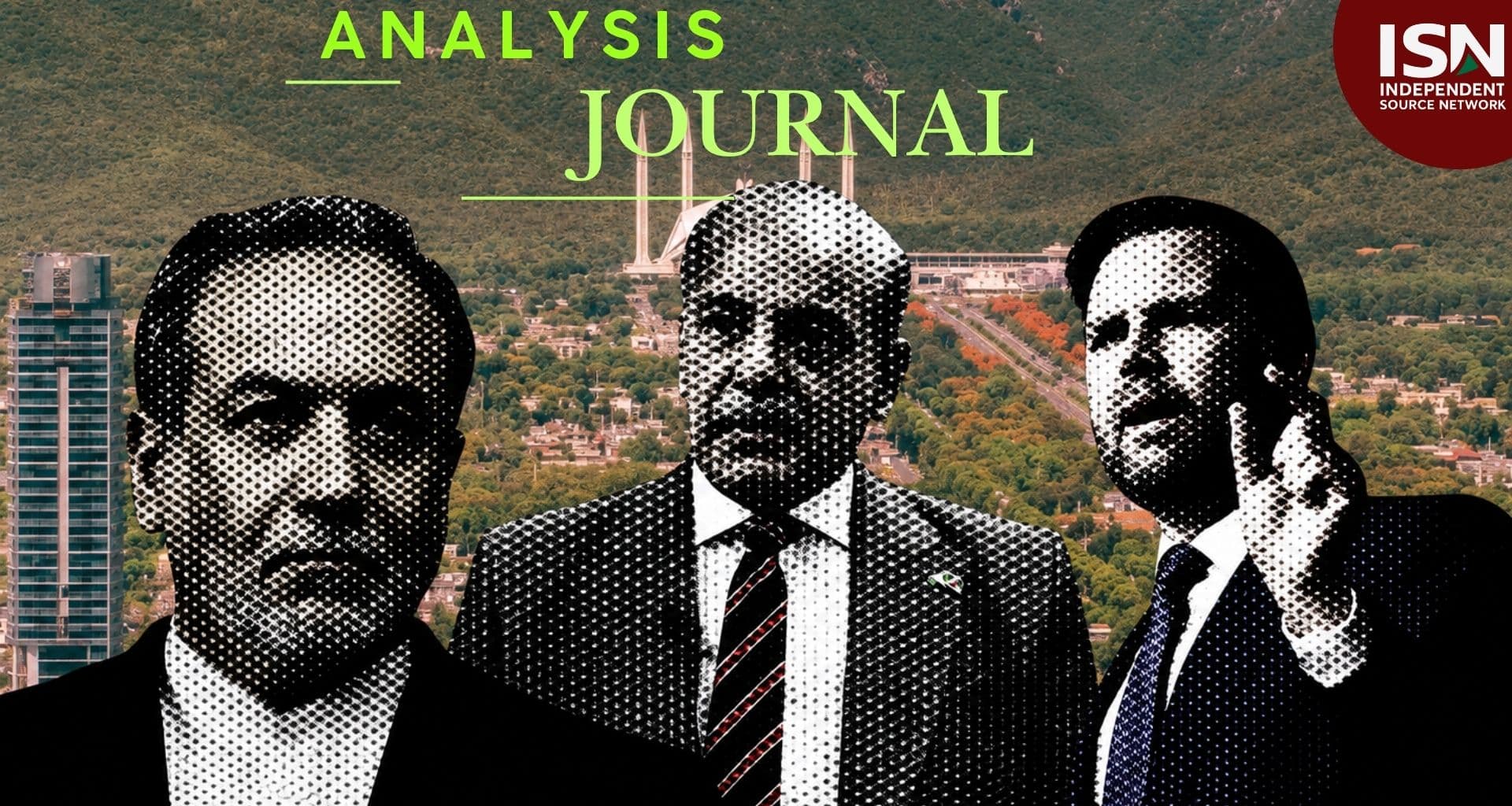
The United States and Israel launched a large-scale military assault on Iran on Saturday, assassinating Supreme Leader Ayatollah Ali Khamenei in a move that plunges the Middle East into a new and dangerous phase of direct conflict In a swift response, Iran fired missiles at Israel and US military facilities in several Gulf states, escalating years of shadow warfare into open, state-on-state hostilities
In an address, US President Donald Trump said the strikes aimed to "annihilate" Iran's navy and cripple its missile industry, urging the Iranian people to rise up against their government Israeli Prime Minister Benjamin Netanyahu stated the operation was intended to “remove the existential threat posed by the terrorist regime in Iran” The assassination of Ayatollah Khamenei, who held ultimate authority in Iran for over three decades, creates a significant leadership vacuum
Iran's retaliation included missile strikes on the United Arab Emirates and a US base in Bahrain A Pakistani national was killed by missile fragments in Abu Dhabi, diplomatic officials confirmed Separately, the Pentagon acknowledged that three US troops were killed and others were wounded in the attacks The conflict immediately disrupted shipping in the Strait of Hormuz, a critical oil transit chokepoint, causing Brent crude prices to surge by as much as 13 percent
The strikes took place despite recent diplomatic talks that were described as progressing Contradicting initial justifications for the attack, Trump administration officials acknowledged in private congressional briefings that there was “no intelligence suggesting Iran planned to attack US forces first,” according to two people familiar with the matter The escalation drew international condemnation, with Pakistan’s prime minister decrying the attacks Protests against the assassination erupted in Pakistan, resulting in several deaths


 Yasir Rai