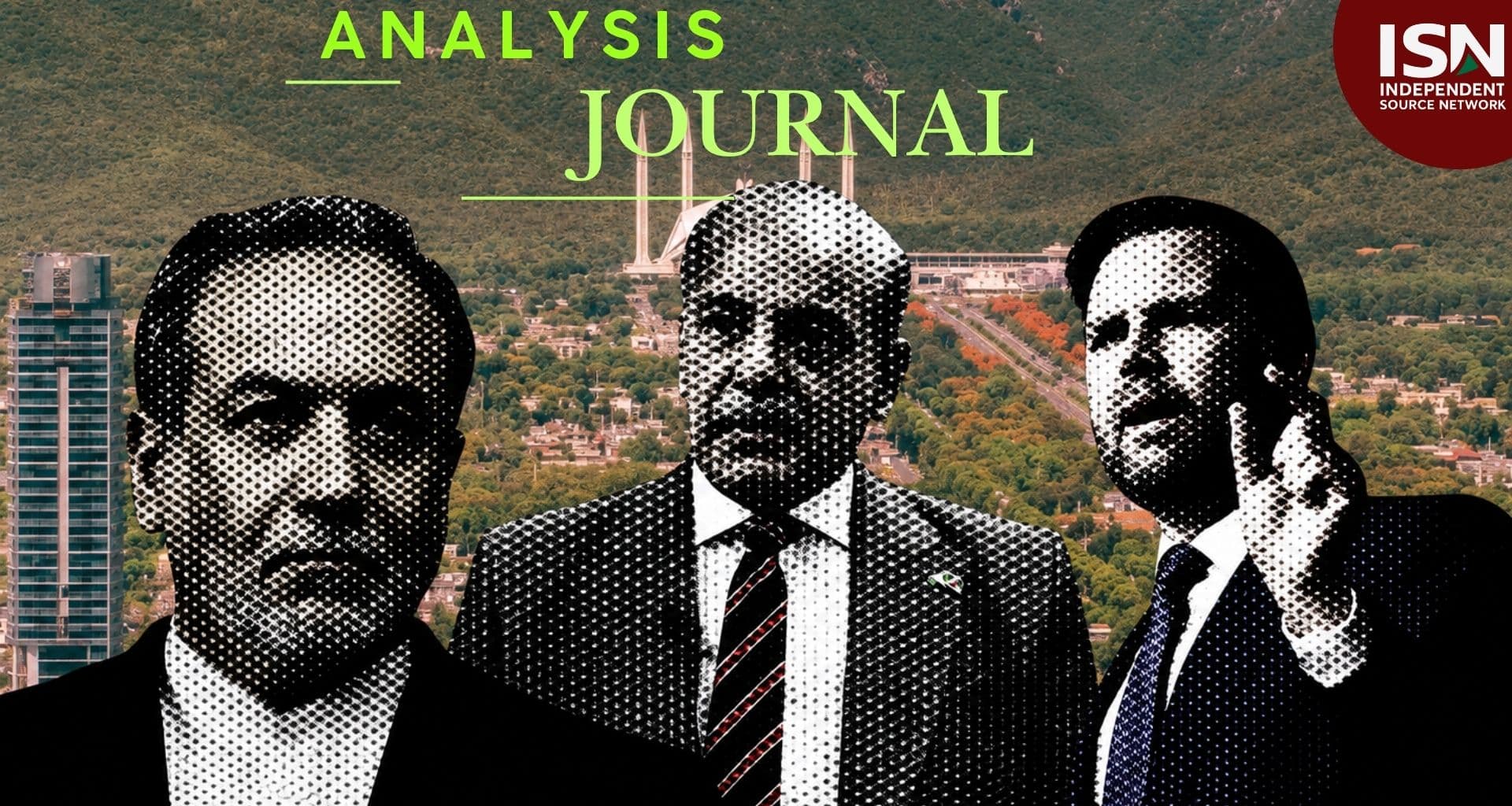
Iran's Ambassador to the United Nations, Amir Saeid Iravani, announced on March 12 that Tehran will not close the Strait of Hormuz and remains committed to ensuring freedom of navigation in the vital waterway The declaration appears intended to reassure the international community about the security of a maritime chokepoint that is indispensable for global energy stability. The strategic importance of Iravani's statement is magnified by its direct contradiction of recent remarks from Iran's highest authority, creating a mixed message on a critical issue of international security
Iravani's comments stand in stark contrast to a recent statement from Iran's Supreme Leader, Mojtaba Khamenei, who indicated the waterway would be closed as a means to "pressure Iran's enemies" This divergence in public messaging from Tehran's diplomatic corps and its supreme leadership creates significant uncertainty. It raises questions about Iran's definitive policy for the strait, through which approximately one-fifth of the world's total oil consumption passes daily. The lack of a unified official stance complicates diplomatic engagement and strategic planning for nations reliant on the free flow of commerce through the region.
This apparent policy division highlights the complex power dynamics within the Iranian government. As UN envoy, Amir Saeid Iravani's objective is likely to mitigate international alarm and avert further diplomatic or economic pressure. In contrast, Khamenei's more belligerent posture projects strength for domestic audiences and serves as a strategic warning to adversaries amid the broader Middle East conflict. For international governments and the global shipping industry, this ambiguity makes it difficult to assess the true level of risk, leaving the future of safe passage through the Strait of Hormuz dependent on the prevailing voice within Iran's leadership.


 Yasir Rai